




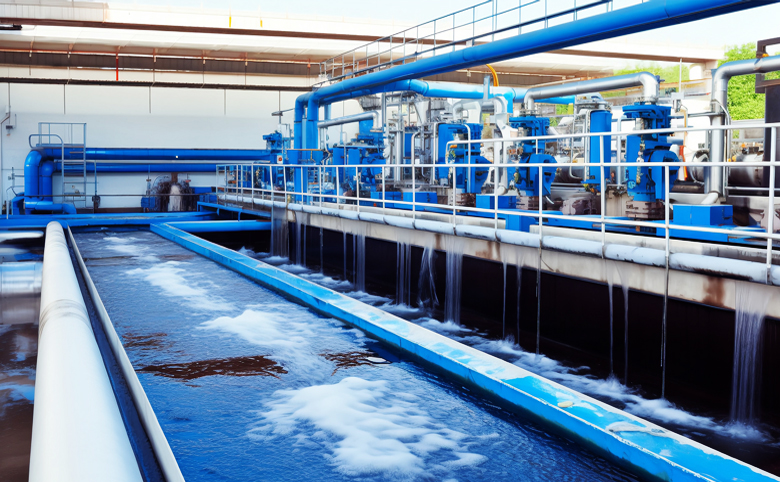
Metal processing and shaping

Safe treatment of oily and emulsified wastewater from metalworking

Metal cutting, forming, stamping and surface finishing generate stable oil–water emulsions that are difficult and costly to handle. Typical contaminants include mineral oils and additives, fine metal particles, surfactants, and suspended solids.

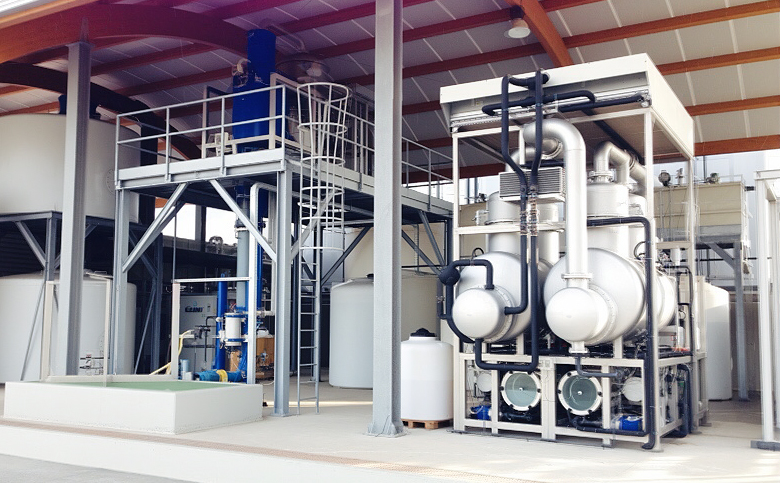
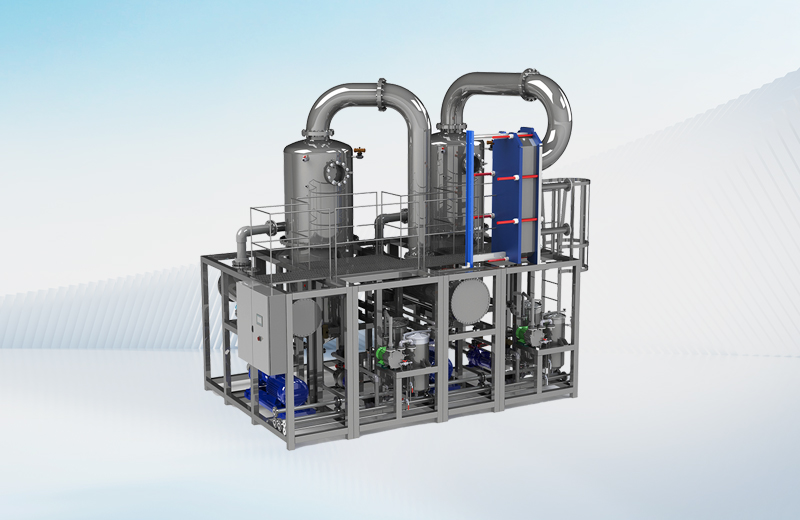
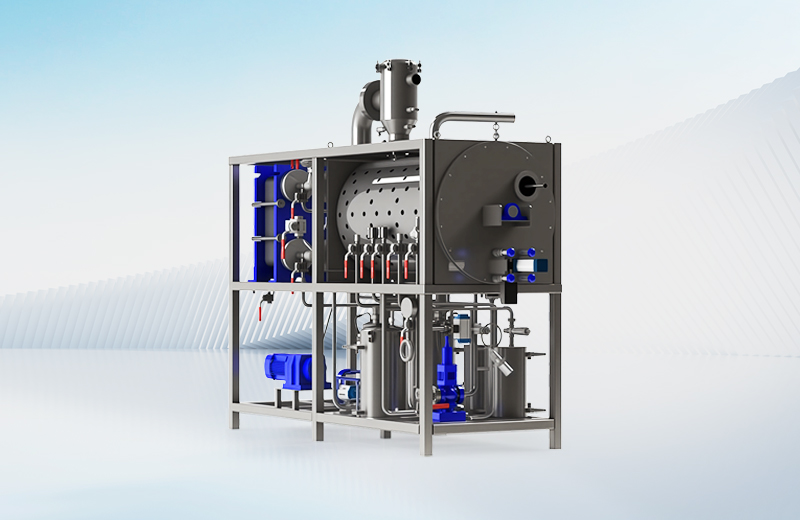
Aevya vacuum evaporators can process these emulsions directly — without chemical breaking — separating clean distillate from the oil phase under low temperature and vacuum conditions.
This process ensures high-quality water recovery, minimal chemical use, and low maintenance, making it ideal for most small and medium-size plants.

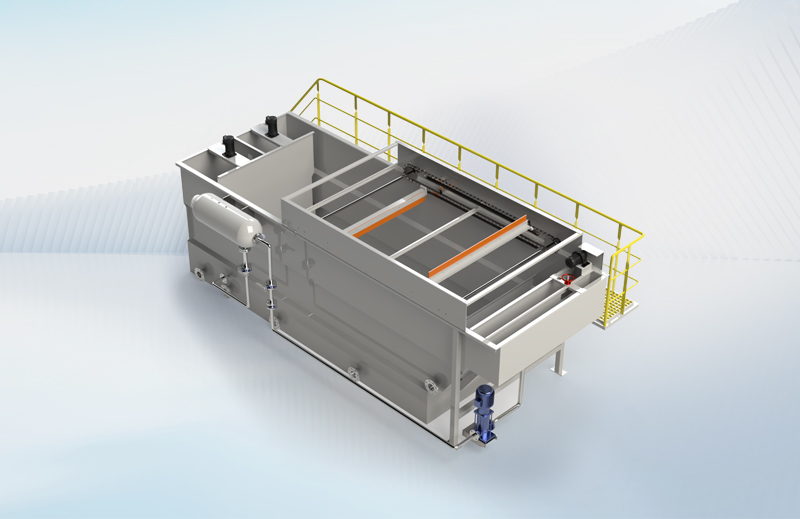
For large wastewater volumes, Deepflow integrates RaeX chemical-physical pretreatment (coagulation and flocculation) to pre-separate bulk oil and solids before evaporation, reducing total operating cost and extending the service interval of the evaporator.

The recovered distillate can be reused as process or rinse water, while the concentrate is collected as a semi-solid sludge for safe disposal or drying with a RedGan low-temperature dryer.
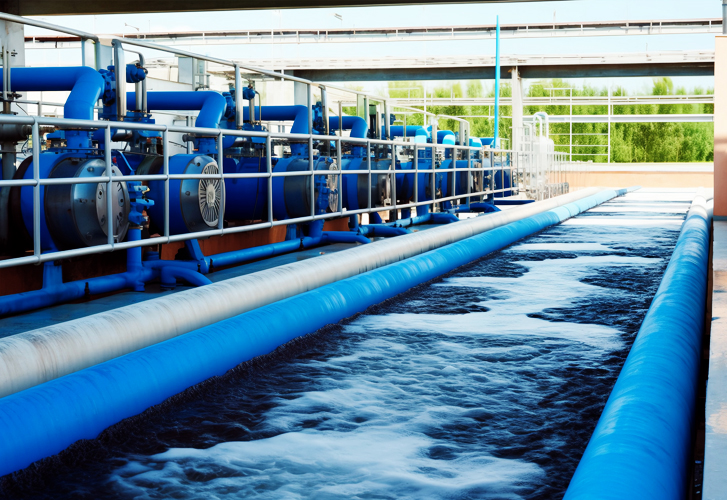
Sustainable treatment: efficient, compact, and easy to manage

Thanks to its modular design and heat-pump technology, the Aevya system offers:


Direct treatment of emulsions, no need for chemical demulsifiers


Low energy consumption and closed-loop operation


Compact footprint and fully skid-mounted construction


Automatic start/stop and minimal supervision


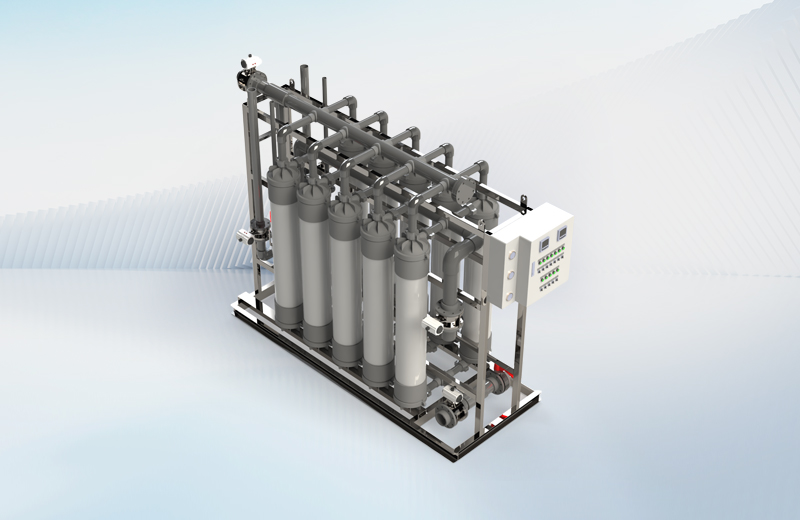
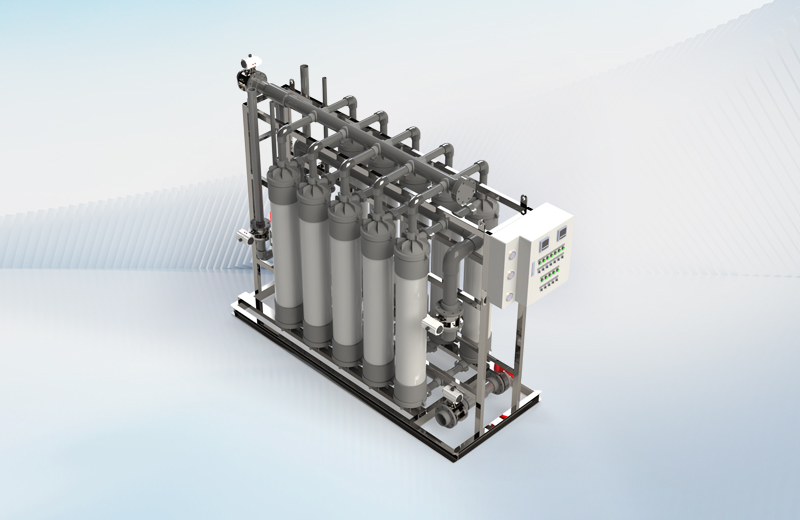
When required, a Seltra UF or RO module can be added downstream for additional polishing or for reuse at higher purity levels.

Typical wastewater types
  • Spent cutting and cooling emulsions
  • Alkaline or neutral degreasing and washing solutions
  • Die-casting release-agent emulsions
  • Heat-treatment rinse waters (oil-bearing)
  • Floor and equipment wash waters
  • Filter backw
Process flow

Equalization & conditioning → screening, buffer tank, pH control


Evaporation & concentration (Aevya: DEH / DE2H / DEP) → direct treatment of emulsions under vacuum


Optional pretreatment (RaeX) → coagulation/flocculation for high-volume plants


Optional membrane polishing (Seltra UF/RO) → distillate refinement for reuse


Sludge management (RedGan DYH dryer, optional) → volume reduction and easy disposal


Distillate destination → reuse / compliant discharge

Your advantages at a glance
  • Direct evaporation of oil–water emulsions — no chemical breaking required
  • Modular skid system, ready for expansion
  • Low operating cost and low energy use
  • Clean distillate suitable for reuse
  • Reduced sludge and simplified disposal
Recommended products
Q&A
  • Q
    How can I request service or operator training for a running unit?
    A

    You can submit a request via the Support & Download section of the Deepflow website or email service@deepfloweco.com. A certified Deepflow technician will contact you within one working day.

    Q
    Can the evaporator be integrated with other Deepflow systems (e.g., Seltra or RaeX)?
    A

    Yes. All Aevya evaporators are designed to operate in line with ultrafiltration, reverse osmosis, and chemical-physical pretreatment systems, achieving complete ZLD (Zero Liquid Discharge) processes.

  • Q
    How should the plant be started after a long shutdown?
    A

    Run a vacuum cycle, check the refrigeration compressor, and gradually start the heating. Deepflow’s control system automatically guides the start-up sequence, monitoring key pressures and temperatures.

    Q
    What is the typical lifetime of an Aevya evaporator?
    A

    With proper maintenance, service life exceeds 10–15 years. Wear parts such as gaskets, pumps, and valves are easily replaceable with standard spare parts.


  • Q
    What is the average energy consumption of a heat pump Aevya?
    A

    Depending on the model, size, and type of effluent, DEH and DE2H systems typically consume 25–250 kWh per ton of evaporated water.The PFET (DEP) model can go below 20 kWh/t, thanks to its high-efficiency polymer exchange technology.

    Q
    Can waste heat be used to power the evaporator?
    A

    Yes. The DES and DE2S models can be connected to hot water or residual steam lines, enabling energy recovery from existing industrial processes.

Do you have any other questions?
We are always willing to offer you assistance.
  • Tel
    183-1707-3986
  • Email
    info@deepfloweco.com
  • Add
    Building 3, No. 66 Jingche Road, Songjiang District, Shanghai
Customer Service WeChat

Copyright ©2025Deepflow Eco-Intelligent Manufacturing Co.Ltd.. All Rights Reserved沪ICP备11033222号-1 Powered by星云在线

  • Home
  • Tel
  • Mess
  • Top
  • Separation technology and energy recovery
    Achieve a sustainable future
    • Tel:
      183-1707-3986
    • Email:
      info@deepfloweco.com
    Customer Service WeChat
    Fill out the form below and we will contact you as soon as possible.