




Electroplating and Electropainting

Reliable treatment of complex and metal-rich wastewater

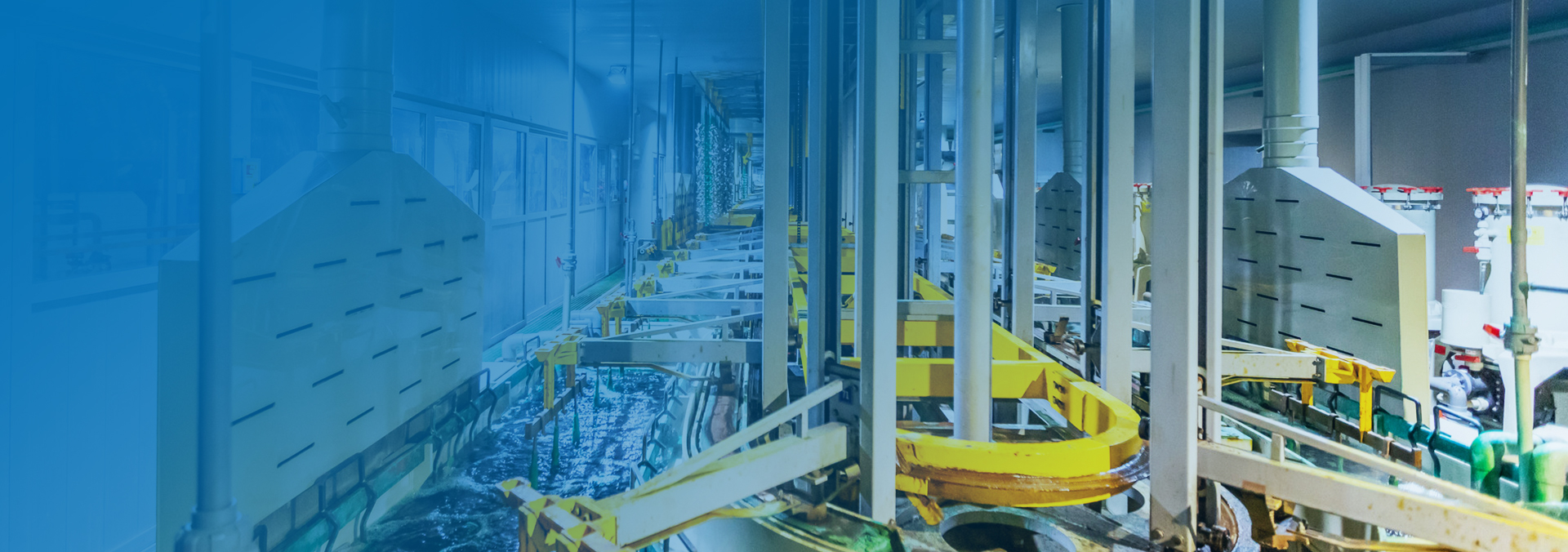
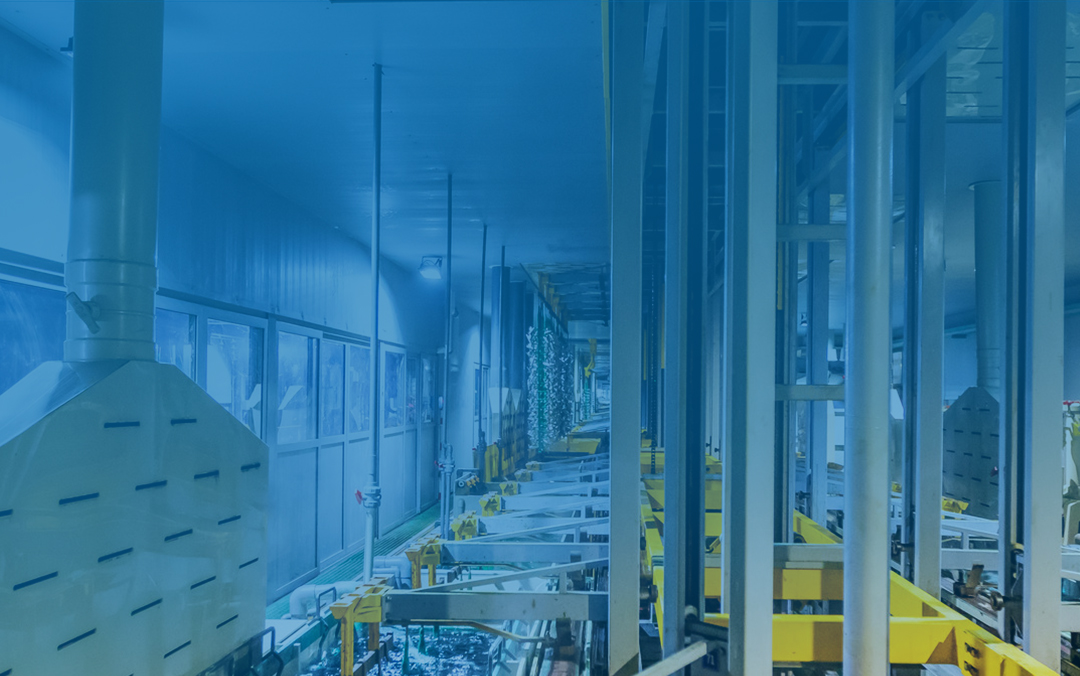
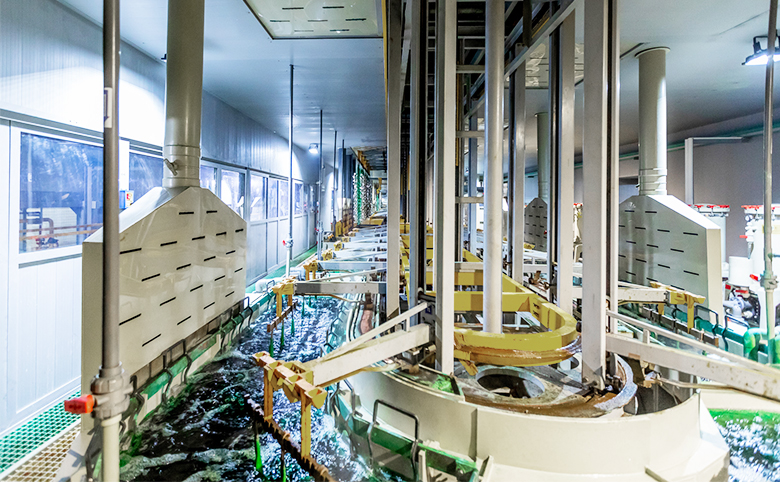
Electroplating, anodizing, and surface finishing lines produce wastewater containing heavy metals, acids, alkalis, and complexing agents, typically from multiple rinse and process baths.
Deepflow provides a flexible, modular approach capable of treating both rinsing waters and active baths, ensuring stable performance and compliance with tightening environmental standards.

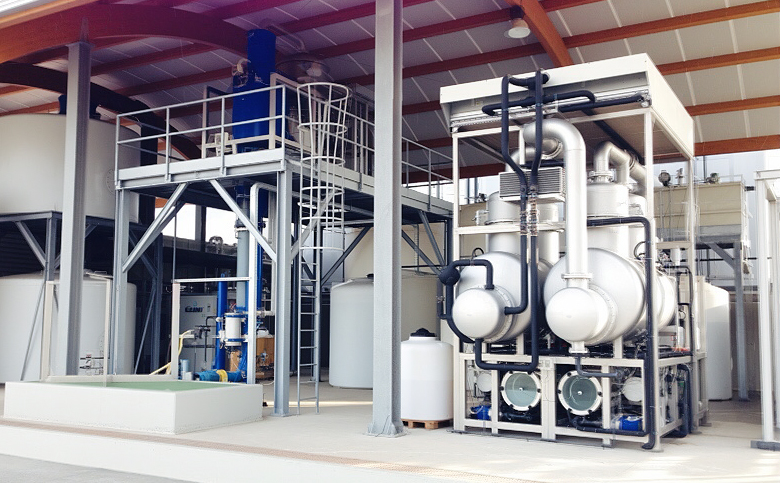
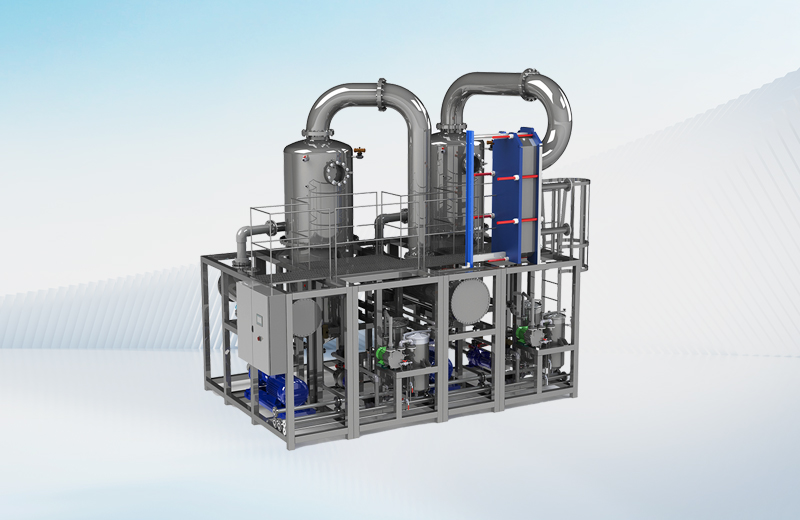
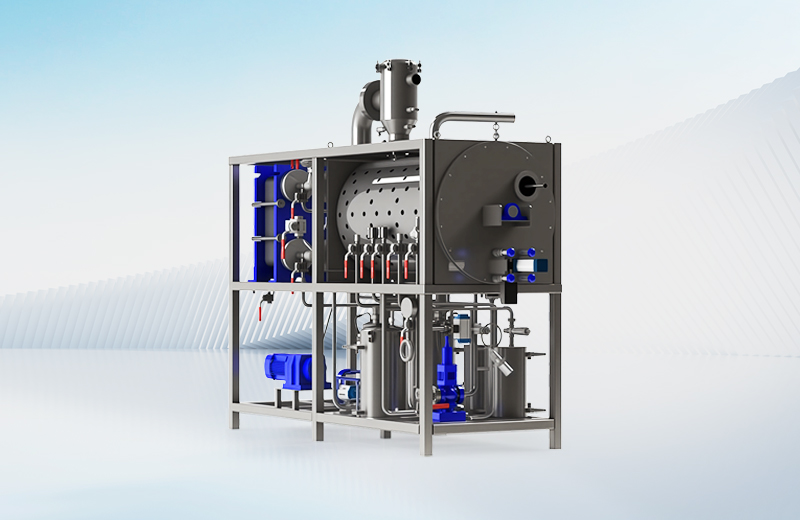
For small and medium wastewater volumes, Aevya vacuum evaporators can directly process mixed rinsing waters — without the need for chemical neutralization — producing high-purity distillate that can be reused directly in rinse tanks.
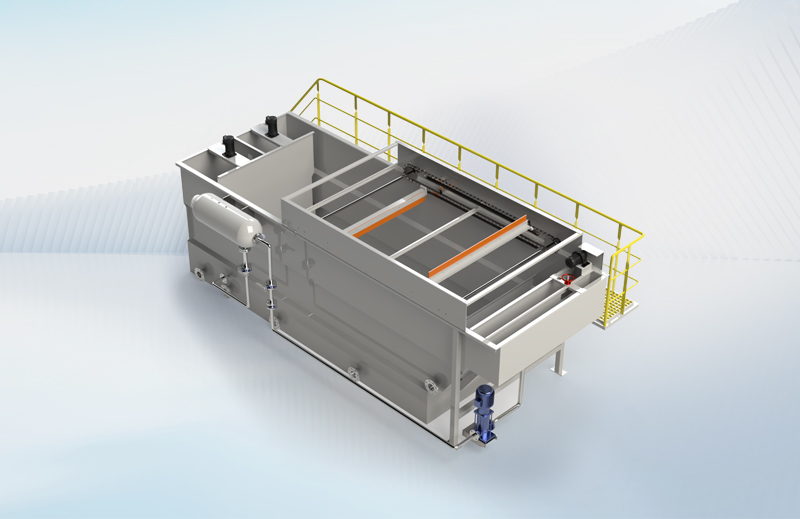
For larger flow rates, the system combines RaeX neutralization and metal precipitation with Aevya evaporation to concentrate the salts and recover clean water for reuse or discharge.

When handling aggressive or high-acid streams, Deepflow systems can be built entirely from Super Duplex 2507 or Titanium Grade 2, ensuring long-term corrosion resistance even in continuous exposure to strong acids such as HCl, H₂SO₄, or HNO₃.
Sustainable wastewater treatment: compliant and cost-efficient

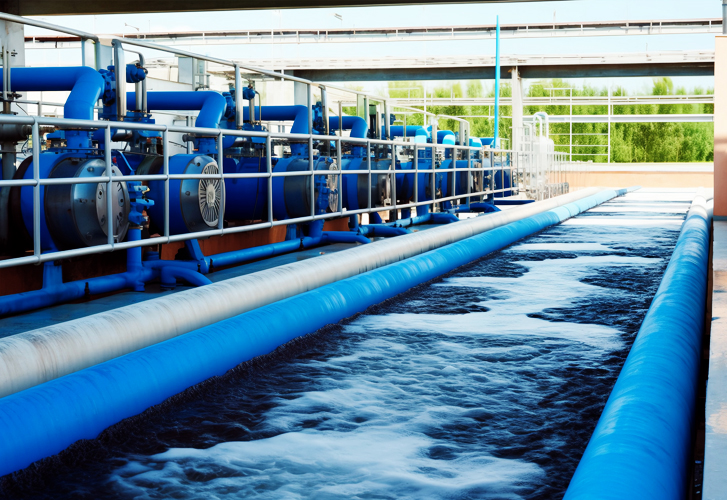
Our integrated systems combine chemical-physical pretreatment, membrane filtration, and vacuum evaporation in a single, automated unit.
Through thermal integration and advanced controls, Deepflow ensures:

· Stable compliance with heavy-metal limits and pH regulations

· Reduced chemical consumption and sludge generation

· Energy-efficient concentration and water reuse

· Compact footprint and full skid-mounted design

Typical wastewater types
  • Rinse waters from nickel, zinc, chromium, copper, and anodizing lines
  • Acidic or alkaline cleaning and activation baths
  • Passivation and phosphating solution
  • Electropainting rinses and spray wash waters
  • Periodic regeneration or dump baths with metal content
  • Play Video
Process flow

1. Equalization and buffering → collection of multiple rinses, pH control

2. Chemical-physical pretreatment (RaeX, optional) → neutralization, coagulation, flocculation, metal precipitation

3. Evaporation & concentration (Aevya: DES / DE2S / DEH / DE2H) → direct treatment of rinses or pre-neutralized baths

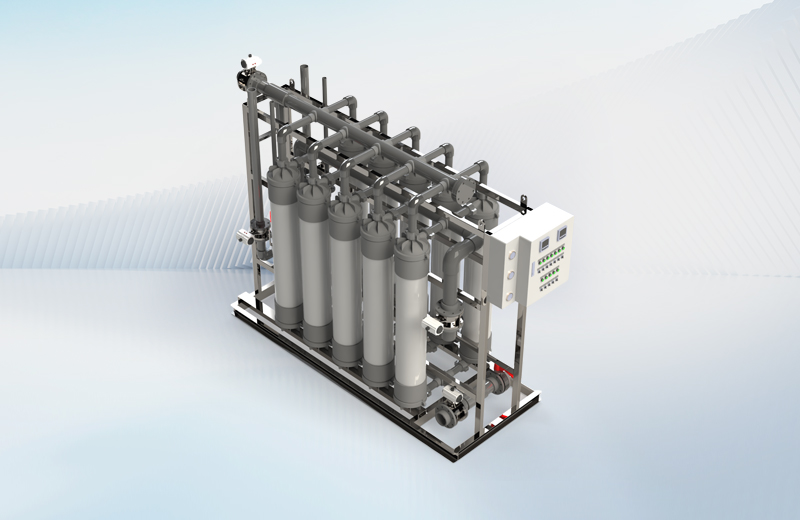
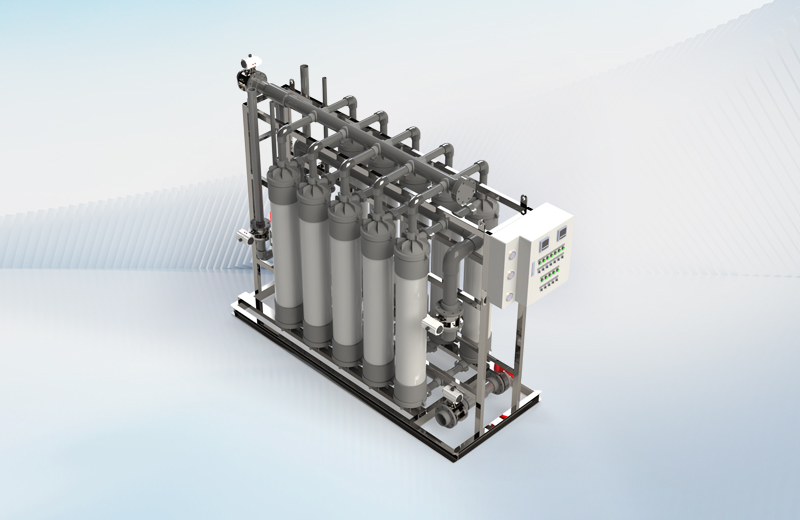
4. Optional membrane polishing (Seltra UF / RO) → distillate refinement for closed-loop reuse

5. Sludge treatment (RedGan DYHS, optional) → low-temperature drying and safe disposal

6. Distillate destination → reuse in rinsing tanks, bath make-up, or compliant discharge


Your advantages at a glance
  • Direct treatment of rinsing or active baths
  • High-purity distillate reusable directly in rinse tanks
  • Neutralization + evaporation combination for large-volume systems
  • Optional construction in Super Duplex 2507 or Titanium Grade 2 for acid resistance
  • Low energy demand, low maintenance, and compact installation
Recommended products
Q&A
  • Q
    How does temperature influence floc formation?
    A

    Higher temperature accelerates reaction kinetics but may reduce floc stability and adsorption performance.

    Q
    How should polymers be mixed to optimize particle binding?
    A

    Begin with vigorous mixing to disperse the polymer, followed by gentle agitation to promote floc growth — the “bridging” principle.

  • Q
    Can overdosed antiscalants increase fouling in flocculation systems?
    A

    Yes. Excess or incompatible antiscalants may precipitate or interfere with proper floc formation.

    Q
    What are the main causes of unwanted precipitation or scaling in clarification systems?
    A

    These can result from pH variations, excessive chemical dosing, incompatibility between reagents, or supersaturation conditions.

  • Q
    What SDI value is acceptable for water entering a chemical-physical pretreatment system?
    A

    An SDI value of 3 or lower is recommended to prevent clogging and excessive particulate fouling.

    Q
    How does pH affect coagulation and what is the correct dosing sequence?
    A

    pH strongly influences coagulant efficiency; many coagulants such as iron or aluminum salts perform best within a specific range.In some cases, alkalinity is added before the coagulant to stabilize the optimal pH.

Do you have any other questions?
We are always willing to offer you assistance.
  • Tel
    183-1707-3986
  • Email
    info@deepfloweco.com
  • Add
    Building 3, No. 66 Jingche Road, Songjiang District, Shanghai
Customer Service WeChat

Copyright ©2025Deepflow Eco-Intelligent Manufacturing Co.Ltd.. All Rights Reserved沪ICP备11033222号-1 Powered by星云在线

  • Home
  • Tel
  • Mess
  • Top
  • Separation technology and energy recovery
    Achieve a sustainable future
    • Tel:
      183-1707-3986
    • Email:
      info@deepfloweco.com
    Customer Service WeChat
    Fill out the form below and we will contact you as soon as possible.